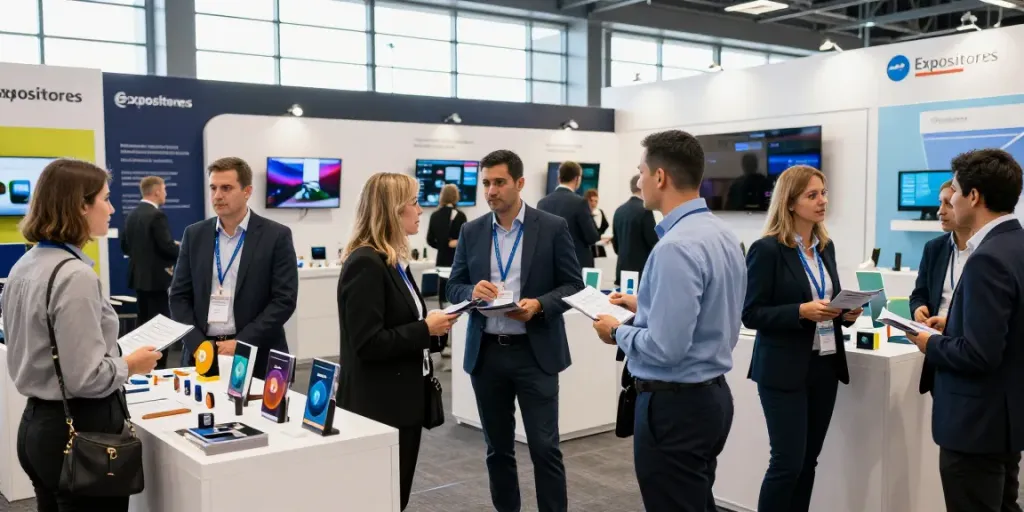
Understanding Expositores and Their Role in Modern Events
In the dynamic landscape of modern events, expositores, or exhibitors, play a crucial role in connecting businesses with their target audiences. These entities, ranging from small startups to large corporations, present their products and services at trade shows, conventions, and exhibitions. Understanding the intricate functions and significance of expositores is essential for companies looking to enhance their visibility and drive growth in an increasingly competitive marketplace. When exploring options, Expositores provide comprehensive insights into the exhibition landscape.
What Are Expositores?
Expositores are individuals or organizations that participate in exhibitions or trade fairs to showcase their products, services, or innovations. They occupy designated spaces, often referred to as booths, allowing them to interact directly with potential customers and industry peers. The essence of an expositor’s role is not only to display merchandise but also to foster connections, gather leads, and enhance brand recognition.
Expositores can vary widely in their offerings and objectives. Some may focus on generating immediate sales, while others aim to cultivate long-term business relationships. The range of industries represented at exhibitions is vast, including technology, fashion, health, and finance, among others, allowing attendees to experience a rich tapestry of options.
The Importance of Expositores in Business Growth
Expositores serve as a vital component for business growth in several ways:
- Brand Visibility: Exhibiting at events allows companies to showcase their brand to a targeted audience. Through eye-catching displays and demonstrations, expositores can leave a lasting impression, enhancing brand awareness.
- Lead Generation: Live interactions with potential clients provide a unique opportunity for exhibitors to collect contact information and nurture leads that could result in sales.
- Market Insights: Expositores gain valuable feedback from attendees regarding their products and services, which can inform future improvements and strategies.
- Networking Opportunities: Events bring together a diverse group of professionals, aiding in the establishment of partnerships and collaborations that may not have been possible otherwise.
Common Challenges Faced by Expositores
While exhibiting offers substantial advantages, expositores also encounter several challenges, including:
- Cost: Participation in trade shows can be expensive, requiring investment in booth design, marketing materials, and travel expenses. Budget overruns can occur if not carefully managed.
- Competition: With numerous exhibitors at any given event, standing out from the crowd can be a daunting task. Innovative marketing strategies are crucial to capture attendee attention.
- Logistics: Coordinating logistics—such as booth setup, transportation of materials, and staff scheduling—can be complex and time-consuming.
- Engagement: Capturing and maintaining attendee interest throughout an event is critical. Exhibitors must create engaging experiences that resonate with visitors.
Trends Shaping Expositores in 2026
As we look towards 2026, several key trends are emerging that will significantly impact the role of expositores in the event industry. These trends are shaped by technological advancements and shifting consumer expectations.
Emerging Technologies Transforming Exhibitions
Technology is revolutionizing how exhibitions operate. Virtual reality (VR) and augmented reality (AR) are becoming integral tools for expositores, enabling immersive experiences that can captivate attendees. For example, VR can allow potential buyers to experience a product in a simulated environment, enhancing engagement and understanding. Additionally, event management software streamlines the logistics of scheduling, registration, and lead capture, making the exhibitor’s job more efficient.
Changing Attendee Preferences and Expectations
Today's attendees seek more than mere product displays; they desire engaging interactions and meaningful experiences. Expositores must adapt to these evolving expectations by offering interactive demos, personalized engagements, and unique experiences that foster deeper connections with their audience. This shift emphasizes the importance of storytelling in marketing and presentations.
Sustainability Initiatives Within the Expositores Landscape
With growing awareness of environmental issues, sustainability is becoming a critical consideration for expositores. Implementing eco-friendly materials in booth construction, reducing waste, and promoting sustainable practices can attract environmentally conscious consumers. Moreover, businesses that prioritize sustainability are often viewed more favorably by the public, providing a competitive edge.
Best Practices for Exhibitors at Expositores Events
To maximize the potential of expositores events, businesses should consider incorporating several best practices into their strategies.
Designing an Engaging Booth Experience
The design of the exhibitor booth is paramount. An inviting space that encourages interaction can significantly enhance visitor engagement. Elements such as clear branding, comfortable seating areas, and interactive displays can draw attendees in. Incorporating technology, like touch screens for product exploration, can also elevate the engagement levels.
Effective Networking Strategies During Exhibitions
Networking is a cornerstone of successful exhibitions. Expositores should prepare by researching attendees and other exhibitors beforehand to tailor their engagement strategies. Establishing personal connections through follow-up meetings or social media interactions post-event can help solidify relationships.
Leveraging Social Media for Enhanced Visibility
Social media platforms provide powerful tools for amplifying an expositor's reach before, during, and after exhibitions. Creating event-specific hashtags, posting live updates from the floor, and encouraging attendees to share their experiences can significantly increase visibility and engagement.
Measuring Success: Metrics for Expositores Events
After an event, it’s crucial for expositores to assess their performance through various metrics to gauge success and identify areas for improvement.
Key Performance Indicators for Exhibitors
Some essential KPIs include:
- Lead Quantity: The total number of leads generated is a primary indicator of success.
- Engagement Rates: Measuring booth interactions and attendee participation in activities can provide insights into engagement levels.
- Post-Event Sales: Tracking sales that resulted directly from leads gathered at the event can help measure ROI.
Post-Event Analysis and Feedback Collection
Gathering feedback from attendees and staff post-event is critical for understanding what worked well and what didn’t. Surveys can be a useful tool in collecting this information, providing actionable insights for future exhibitions.
Utilizing Data to Improve Future Exhibitions
Data-driven decisions can lead to more effective strategies. Analyzing trends, lead conversion rates, and attendee demographics can help expositores tailor their approach for future events, driving better outcomes.
Conclusion: The Evolution of Expositores and Looking Ahead
As the event landscape continues to evolve, so too must the strategies employed by expositores. Adopting new technologies, responding to changing consumer expectations, and emphasizing sustainability will be crucial to staying competitive.
Future Predictions for Expositores in the Next Decade
Looking forward, the role of expositores is likely to expand with the integration of more advanced technologies such as AI, enhancing personalization and engagement. Additionally, as environmental concerns become paramount, those who prioritize sustainable practices will set themselves apart in the marketplace.
How to Stay Relevant as an Expositor
To remain relevant, expositores must continuously innovate and adapt their strategies. Keeping abreast of industry trends, investing in technology, and focusing on creating memorable experiences will be essential for future success.
Frequently Asked Questions About Expositores
What is the primary goal of expositores? The primary goal of expositores is to promote their products or services, engage potential customers, and generate leads that can convert into sales.
How can I maximize my experience as an expositor? To maximize your experience, focus on creating an engaging booth, actively network with attendees, utilize data for insights, and follow up with leads after the event.
What are some common mistakes to avoid as an expositor? Common mistakes include inadequate preparation, poor booth design, lack of clear messaging, and failing to engage with attendees effectively.